Genuine_stories_and_luckystar_experiences_offer_hopeful_inspiration_today

🔥 Play ▶️

Genuine stories and luckystar experiences offer hopeful inspiration today

The concept of serendipity, of fortunate happenstance, resonates deeply within the human experience. We often seek control, meticulously planning our paths, yet some of the most meaningful moments arise from unexpected turns. This idea is beautifully captured by the notion of a guiding star, a symbol of hope and good fortune – a luckystar, if you will – appearing when we least expect it. These aren’t necessarily grand, sweeping changes, but often subtle shifts in perspective, encounters with the right people, or the discovery of opportunities we hadn’t even considered.

Throughout history, people have attributed instances of good luck to various sources – fate, divine intervention, or simply chance. However, the psychological impact of believing in a positive force, a benevolent star watching over us, can be profound. It fosters resilience, encourages optimism, and can even influence our behavior, making us more open to possibilities and less discouraged by setbacks. This belief, regardless of its origins, is a powerful tool for navigating the complexities of life and finding joy in the unexpected.

The Psychology of Lucky Moments

Psychologists have begun to explore the science behind “luck,” and surprisingly, it’s not solely about chance. Research suggests that individuals considered “lucky” tend to possess certain personality traits and habits that actively create opportunities for good fortune. One key characteristic is mindful awareness – a heightened sensitivity to the environment and the ability to notice subtle cues that others might miss. Lucky people are more attuned to potential opportunities and are quicker to act on them. They are also more optimistic and tend to interpret ambiguous events as positive, rather than negative. This positive outlook fuels their perseverance and encourages them to take risks, increasing the likelihood of a favorable outcome. It's not that lucky people are immune to bad luck; rather, they are better equipped to cope with it and remain open to new possibilities.

Cultivating a Lucky Mindset

The good news is that a “lucky” mindset isn’t an innate trait; it's a skill that can be developed. Practicing gratitude is a powerful starting point. Regularly acknowledging the good things in your life, no matter how small, shifts your focus towards positivity and increases your awareness of opportunities. Another effective technique is visualization – vividly imagining yourself achieving your goals and experiencing positive outcomes. This mental rehearsal can boost your confidence and motivate you to take action. Finally, actively seeking out new experiences and embracing challenges expands your horizons and increases your chances of encountering serendipitous moments.

Characteristic
Description
Mindful Awareness Attentiveness to surroundings and subtle cues.
Optimistic Outlook Interpreting events positively and maintaining hope.
Persistent Action Willingness to take risks and persevere through setbacks.
Gratitude Practice Regularly acknowledging positive aspects of life.

Recognizing patterns in moments that feel fortunate can also be beneficial. Reflecting on past experiences where things worked out well can help you identify the factors that contributed to those positive outcomes – was it a specific skill you utilized, a connection you made, or a willingness to step outside your comfort zone? This self-awareness allows you to replicate those behaviors in the future, effectively increasing your “luck.”

The Role of Social Connections

Luck isn't always a solitary phenomenon; often, it's intertwined with our social networks. The people we surround ourselves with can profoundly impact our opportunities and overall well-being. Strong social connections provide support, encouragement, and access to valuable resources. A diverse network exposes us to different perspectives and opens doors to unexpected possibilities. It's about more than just the number of connections you have; it's the quality of those relationships. Genuine connections built on mutual trust and respect are far more likely to yield positive outcomes than superficial acquaintances. Furthermore, actively nurturing your network – offering support to others and genuinely engaging with their lives – fosters reciprocity and strengthens those bonds.

Building and Maintaining a Strong Network

Building a robust social network requires intentional effort. Start by identifying individuals who inspire you, share your values, or possess skills you admire. Actively seek out opportunities to connect with them – attend industry events, join relevant communities, or simply reach out for a coffee. When interacting with others, focus on building genuine relationships rather than simply networking for personal gain. Listen attentively, ask thoughtful questions, and offer your support without expecting anything in return. Maintaining these connections requires ongoing effort – regular check-ins, celebrating their successes, and offering assistance when needed are all crucial.

  • Prioritize quality over quantity in your network.
  • Actively seek out diverse perspectives.
  • Offer support and reciprocity.
  • Engage genuinely with others.
  • Regularly nurture your existing connections.

The principle of “weak ties” is also significant. These are acquaintances – people you know casually but aren't close to. Research reveals that weak ties often provide access to information and opportunities that your close circle might not. They expose you to different worlds and broaden your horizons. Therefore, don't underestimate the value of maintaining connections with people outside your immediate inner circle.

Serendipity and Creative Breakthroughs

Many great innovations and artistic breakthroughs have occurred through serendipitous encounters and unexpected discoveries. Penicillin, for example, was discovered by accident when Alexander Fleming noticed mold inhibiting the growth of bacteria in a petri dish. Similarly, the microwave oven was invented when a radar engineer noticed a chocolate bar melting in his pocket while working on a magnetron. These instances highlight the importance of being open to unexpected results and recognizing the potential in seemingly random events. A mindset of curiosity and playful exploration is essential for fostering serendipity and unlocking creative insights. When we are rigidly focused on a specific goal, we may miss opportunities that lie outside our predetermined path. By embracing a more flexible and open-minded approach, we increase our chances of stumbling upon something truly remarkable.

Creating an Environment for Serendipity

Cultivating an environment conducive to serendipity involves intentionally disrupting your routine and exposing yourself to new stimuli. This could involve travelling to unfamiliar places, trying new hobbies, or simply changing your daily commute. Engaging in interdisciplinary thinking – exploring connections between seemingly unrelated fields – can also spark creative breakthroughs. Furthermore, creating spaces for unstructured interaction and collaboration – brainstorming sessions, informal discussions, or simply a communal workspace – can foster the exchange of ideas and facilitate serendipitous discoveries. Allowing yourself time for “idle thinking” – letting your mind wander without a specific agenda – can also be surprisingly productive. Often, the best ideas arise when we are not actively trying to solve a problem.

  1. Disrupt your routine to expose yourself to novelty.
  2. Embrace interdisciplinary thinking.
  3. Create spaces for unstructured interaction.
  4. Allow time for "idle thinking".
  5. Be open to unexpected results.

The ability to connect seemingly disparate ideas is a hallmark of creative genius. This process often involves drawing analogies, identifying patterns, and challenging assumptions. By consciously practicing these cognitive skills, we can enhance our capacity for serendipitous discovery and unlock our creative potential.

Navigating Challenges with a Fortunate Outlook

Life inevitably presents challenges, setbacks, and periods of difficulty. However, even in the face of adversity, maintaining a sense of hope and a belief in positive outcomes can make all the difference. Resilient individuals don't necessarily avoid difficult experiences; rather, they are better equipped to cope with them and learn from them. They view setbacks as temporary obstacles rather than insurmountable barriers and are more likely to persevere in the pursuit of their goals. The ability to reframe challenges as opportunities for growth is a powerful coping mechanism. Instead of dwelling on what went wrong, they focus on what they can learn and how they can improve. This optimistic mindset not only helps them navigate difficult times but also increases their chances of ultimately achieving success.

It is important to remember that experiencing hardship does not negate the possibility of future luck. A difficult period may actually pave the way for unforeseen opportunities. Sometimes, it is through overcoming obstacles that we develop the skills, resilience, and wisdom necessary to seize those opportunities when they arise. The concept of a luckystar isn't about escaping adversity; it’s about finding the strength to navigate it with grace and optimism, believing that brighter days lie ahead.

Beyond Chance: Building Your Own Fortune

While the idea of luck often implies something passive—something that happens to you—it's crucial to recognize the extent to which we actively shape our own fortunes. The principles discussed – mindful awareness, strong social connections, a creative mindset, and resilience – are all factors within our control. They aren't magical shortcuts, but rather tools we can use to increase our probability of experiencing positive outcomes. Thinking about luck as a skill, rather than a random occurrence, empowers us to take ownership of our lives and proactively create the circumstances that will lead to success and fulfillment. It’s a shift in perspective from passively waiting for good things to happen to actively building a life where good things are more likely to flourish.

Consider the story of Sara Blakely, the founder of Spanx. Her journey wasn't simply about a lucky idea; it was about relentless perseverance, creative problem-solving, and a willingness to take risks. She faced countless rejections, but she refused to give up on her vision. Her success wasn't solely due to chance; it was a direct result of her hard work, determination, and unwavering belief in herself. This illustrates a powerful point: a luckystar may offer a glimmer of opportunity, but it’s our own actions that ultimately determine whether we seize it and turn it into something truly remarkable.
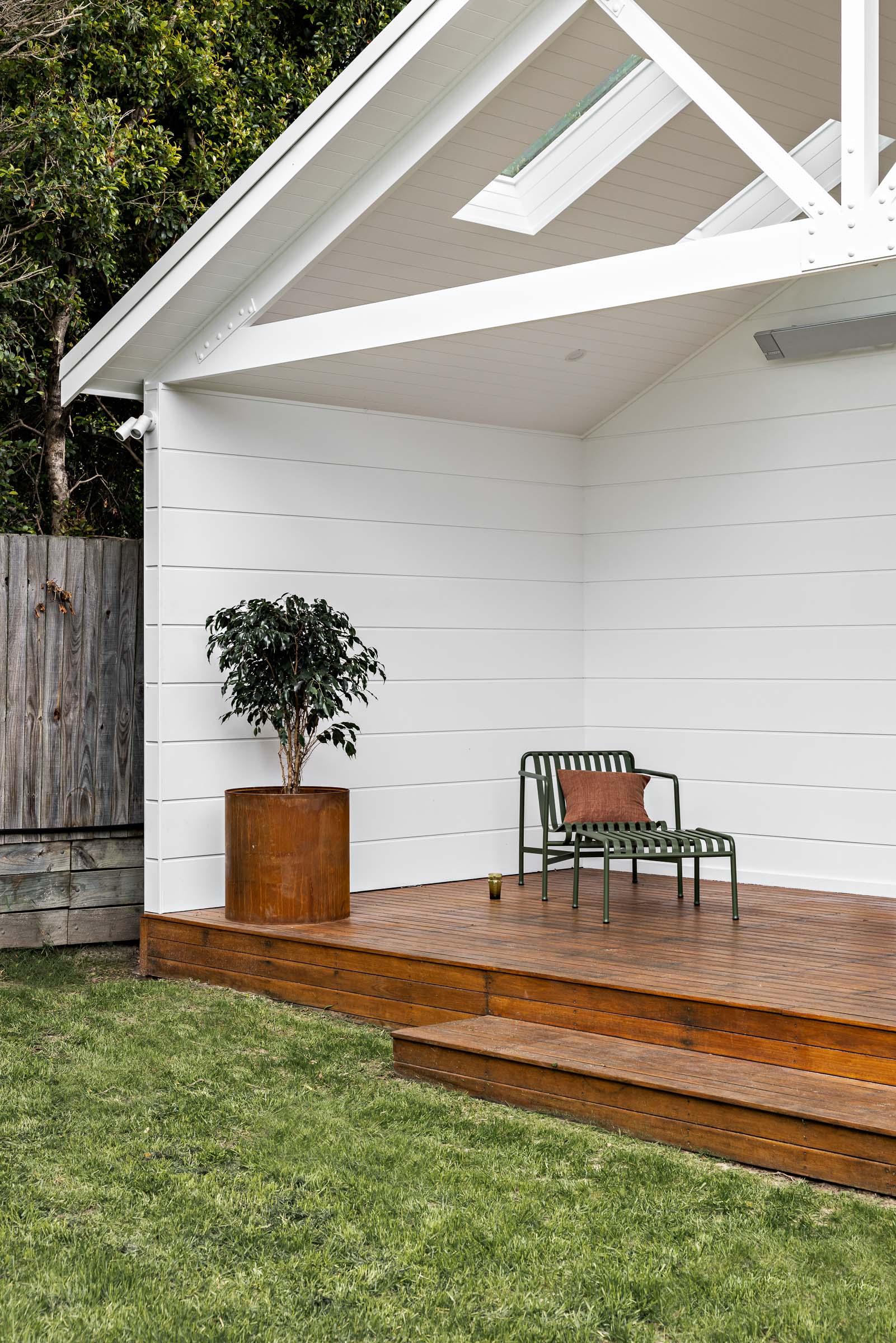
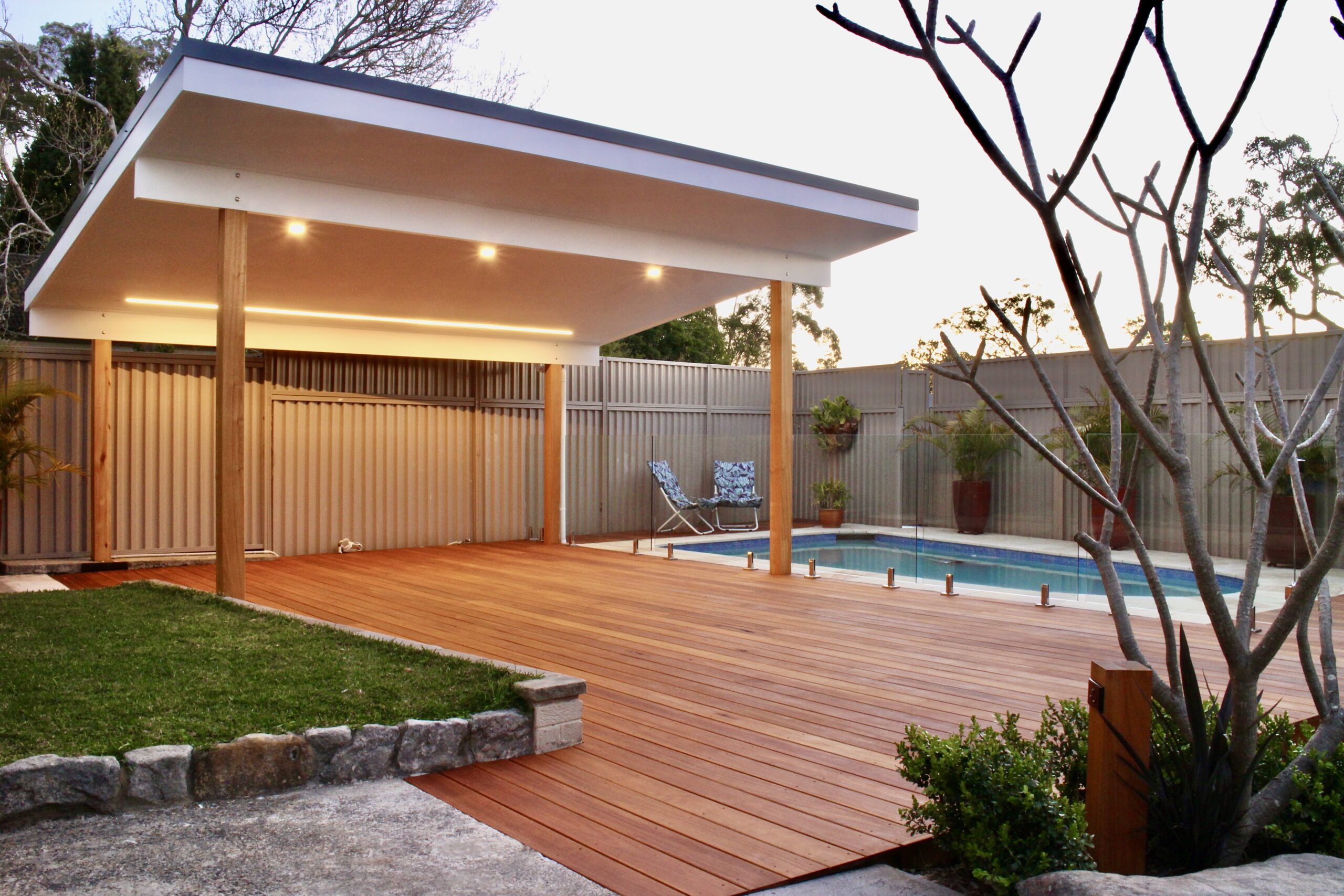
Decking and Pergolas in Sydney: Design Tips, Costs & Approval Guide

Decking and Pergolas in Sydney

Adding decking or a pergola to your outdoor living space is one of the smartest ways to add value, style, and functionality to your home. In Sydney, especially across the Inner West, Sutherland Shire, Eastern Suburbs and the illawarra, well-designed outdoor areas are no longer a luxury; they are an essential part of modern living.

At Pattern Construction Co, we design and build premium timber and composite decks, and pergolas that are functional, compliant, and tailored to your unique conditions. This guide explains what homeowners need to know before starting a project, including design considerations, materials, costs, approvals, and common mistakes.

Why Experience Matters for Decking and Pergolas

Constructing a deck or pergola may seem simple, but several factors affect durability and compliance:

  • Structural load and support requirements
  • Waterproofing and adequate drainage
  • Bushfire zones (BAL – Bushfire Attack Level)
  • Coastal exposure and corrosion
  • Council approvals and planning requirements

Choosing licensed, experienced deck builders ensures your project is safe, compliant, and built to last. Poor construction can result in movement, water damage, council issues, and expensive repairs.

Choosing the Right Decking Material

Timber decking continues to be a popular choice for its warmth and natural beauty. Common options include Spotted Gum, Blackbutt, and Merbau. Timber is ideal for Inner West homes, extensions, and architect-led renovations, but requires ongoing maintenance and correct detailing for airflow and sub structure  drainage.

Composite decking is low-maintenance, durable, and ideal for coastal homes exposed to sun and salt air. Even so, it still requires proper structure and spacing to perform well over time. Composite decking is commonly chosen in the Eastern Suburbs and Sutherland Shire.

Key benefits of composite decking:

  • Minimal maintenance required
  • Long-lasting and durable
  • Consistent appearance

Designing a Pergola That Fits Your Home


Pergola Design

A pergola should complement your home rather than be an afterthought. We build

  • Fixed roof pergolas
  • Open slatted pergolas
  • Integrated pergola and decking structures

When designing a pergola, it is essential to consider

  • Council approvals and planning requirements
  • Tie-downs and secure connections
  • Roof drainage and weatherproofing
  • Integration with existing structures

Early advice and planning can save time and costs while avoiding common mistakes that compromise durability and safety.

Understanding Approvals

One of the most common mistakes homeowners make is underestimating the approval process. Depending on the project, a decking or pergola structure may be

  • Exempt from approval
  • Require a Complying Development Certificate (CDC)
  • Require a full Development Application (DA)

Area-specific considerations include

  • Inner West: Heritage overlays and setback requirements
  • Eastern Suburbs: Coastal exposure, height, and privacy impacts
  • Sutherland Shire: Bushfire and termite zones, sloping sites

Working with experienced deck builders ensures the correct approval pathway is followed, saving time and unnecessary expense.

Costs of Decking and Pergolas in Sydney

Costs vary depending on materials, design, approvals, and site conditions. Indicative ranges are

Material / Structure Cost Range (per square metre/project)
Timber decking $600 – $1,200 per square metre
Composite decking $700 – $1,400 per square metre
Pergolas $15,000 – $50,000+, depending on design and finish

Factors that influence cost include

  • Site access and structural complexity
  • Level of finish and integration with the home
  • Council approvals and documentation requirements

Extremely low quotes may indicate substandard workmanship, incorrect materials or missing structural work, so caution is advised.

Why Choose Pattern Construction Co

Homeowners choose us for our certainty and expertise. We provide

  • Clear guidance early in the process
  • Honest advice on feasibility and costs
  • Complete documentation and approvals
  • High-quality workmanship backed by almost 2 decades of experience

As an award-winning builder, we treat decking and pergolas with the same care as full home extensions.

We regularly work across the Inner West, Sutherland Shire, and Eastern Suburbs, including Stanmore, Marrickville, Newtown, Cronulla, Caringbah, Gymea, Randwick, Clovelly, and Bronte all the way to the illawarra. Our local knowledge ensures smooth project execution and compliance.

Ready to Build Your Deck or Pergola?

Whether you are starting with ideas or have approved plans, our team can provide practical, expert advice. Book a consultation with Pattern Construction Co and take the guesswork out of your decking or pergola project today.

Why Early Builder Engagement Is the Key to Smarter Construction

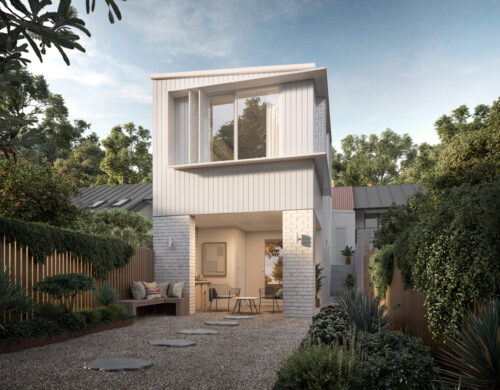
House renovation with two-storey extension and garden

Beginning a building project or home renovation requires more than a good idea and a set of plans. In Sydney’s highly regulated and competitive construction environment, early engagement with the right professionals plays a critical role in achieving successful outcomes. With more than ten years of industry experience and proven renovation tips, it is clear that projects guided by experienced home builders from the earliest stages are more efficient, better managed, and aligned with long-term goals.

Early builder involvement provides clarity, structure, and confidence, all of which are essential for smarter construction decisions.

The Importance of Early Planning in Home Renovation Projects

Every successful Home Renovation begins well before work starts on site. The planning stage sets the direction for the entire project and includes feasibility, budgeting, scheduling, and risk assessment. When an experienced contractor is involved early, potential challenges are identified before they develop into costly issues.

Professional home builders offer practical insight into design efficiency, buildability, and compliance requirements. This ensures that design concepts are realistic and achievable, reducing delays and unnecessary changes during the Construction phase.

Understanding the Pre-Construction Process

The pre-construction stage plays a vital role in determining how smoothly a Home Renovation will progress. This phase includes site analysis, scope definition, cost planning, and construction methodology. Engaging qualified master builders early allows for a detailed review of materials, structural needs, and project timelines.

With early builder engagement, homeowners gain realistic expectations and informed guidance. This structured approach ensures the Construction process remains organised, transparent, and professionally managed from start to finish.

Budget Control and Financial Confidence

Managing costs is one of the most critical aspects of any Home Renovation. With material prices and labour costs continuing to rise, early financial planning is essential. A skilled contractor can provide accurate cost forecasting and practical solutions that maintain quality while protecting the budget.

Experienced home builders understand where efficiencies can be achieved without compromising craftsmanship. Through early collaboration, homeowners benefit from clear financial planning, reduced variations, and stronger cost control throughout the Construction journey.

The One Stop Builder Advantage

Many homeowners prefer working with home builders who offer complete planning and building services under one roof. This approach simplifies communication, improves coordination, and ensures accountability at every stage of the Home Renovation.

When a single contractor manages planning, approvals, and construction delivery, projects run more smoothly, and timelines are better controlled. This model is ideal for clients who value efficiency, quality, and a well-managed Construction process.

Trusted Local Experience Across Sydney

Since 2019, Pattern Construction Co has earned a strong reputation as an award-winning builder trusted by homeowners across Sydney. Our service areas include the Inner West, Newtown, Erskineville, Stanmore, and the Sutherland Shire, including Yowie Bay, Caringbah, Cronulla, Burraneer, Lilli Pilli, Engadine, Heathcote, Woolooware, and surrounding areas.

Our team of skilled master builders and tradespeople specialises in high-quality Home Renovation and residential Construction projects. From extensions and structural upgrades to kitchen and bathroom transformations, every project is delivered with precision, attention to detail, and superior workmanship.

Why Early Builder Engagement Leads to Smarter Construction Outcomes

Engaging experienced home builders early is a strategic decision that delivers measurable benefits. Early involvement allows feasibility studies, site conditions, and design planning to align with budget and construction realities.

With the right contractor guiding the process from the beginning, the Home Renovation becomes more controlled, efficient, and collaborative. This proactive approach reduces risk, minimises unexpected costs, and ensures smarter Construction outcomes that reflect both the client’s vision and industry best practices.

The Dos and Don’ts of renovating a small inner-city home

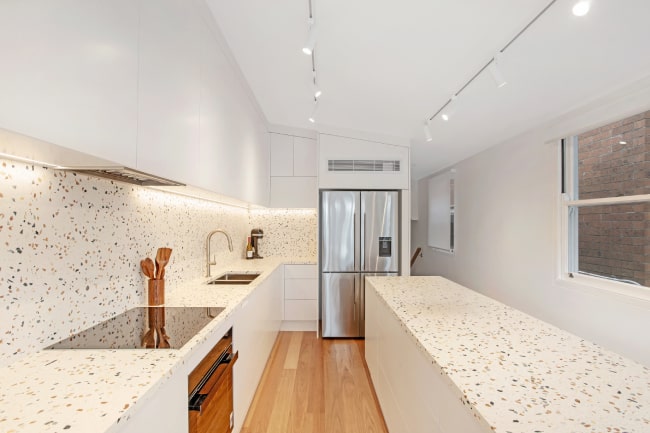
Pattern Construction Co modern kitchen transformation

Looking to buy and renovate in Sydney’s Inner West?

Here are some top tips on the dos and don’ts of renovating a small inner-city home.

Life in Sydney’s Inner West has many attractions – from convenience and ample public transport options to a vibrant cafe culture and buzzing nightlife scene. Buying and renovating an inner city home, however, can be daunting. Not only are most original inner-city dwellings small workers’ cottages and terrace homes on tight blocks but there can be heritage issues to navigate as well.

Here are a few clues to guide you when buying and planning renovations to an inner city home to create a beautiful and functional space for 21st Century living.

Dos

  • If you are looking for a place to buy in the Inner West look for a home with a north-facing backyard. This will allow you more chance of adding a second storey without overshadowing from neighbours and get northern light into your living spaces.
  • Before you buy, have an architect or builder do a comprehensive pre-purchase inspection. Older inner-city homes can hold some nasty surprises once you start pulling them apart! Be sure to have the plumbing, electrical wiring and existing structure thoroughly checked by a professional to ensure you are aware of any issues upfront so you can plan and budget around those issues.
  • Look up and down the street and see which properties have been renovated recently. Search the local council website to look at the development approval (DA) documents for these properties to find out what the council will allow you to do in the way of extending and renovating.
  • Figure out your priorities and how you want to live in the home, then discuss your ideas with your chosen architect and builder.
  • Many small inner-city homes can be dark, and even damp, so focus on bringing in more natural light and improving ventilation.
  • With older inner-city homes, there can be many hidden costs when renovating and extending. Make sure you discuss all the possibilities with your architect and builder and allow at least a 10% contingency amount on top of your budget.
  • Start looking for a builder very early in the process to make sure you have one lined up for when you want to begin the renovation and to collaborate with your architect in the early planning stage to ensure you get maximum results for your budget.
  • Think about lighting early in the process. Lighting design is its own separate field that should be well thought out before building begins.
  • We believe the landscape design should also be incorporated into the overall design of any renovation or new build.
  • Plan with the environment in mind and utilise passive solar design principles to create a more
  • sustainable building that will also save money on energy costs.

Don’ts

  • Don’t just think about adding extra rooms but about improving the quality of the existing spaces. It’s important to focus not just on additional space but light and volume as well.
  • Don’t try and cram too much into your property. Aim for the best possible layout and a good flow of spaces.
  • Don’t rush the design process. This initial stage is the most important of the whole project. You need to be 100 per cent happy with your space planning to get the best results.
  • Don’t necessarily mimic the existing style or period of the house. Aim to add a contrasting new layer to the house with a thoroughly modern extension.
  • Don’t use materials that require a lot of maintenance, such as exposed timber, on the exterior. Use robust, hardwearing materials for the exterior and softer, more textural materials for the interior.
  • Above all, don’t expect the whole renovation process to be quick or easy! It won’t be. The results, however, will be a joy for years to come

Our Four Top Tips for a Sustainable Renovation

House renovation with two-storey extension and garden

Keen to reduce your carbon footprint? Here are our tips for a more sustainable renovation or new home.

Homeowners are becoming more aware of, and asking for, sustainability when renovating or building a new home.

Factors such as passive solar design and the use of materials with low embedded energy have been high on agendas for some time, and lately we’ve also had requests from clients for the inclusion of solar power with a storage battery or space for a battery to be added later, double glazing to reduce energy use and even inclusion of three-phase power points in the garage in preparation for an electric vehicle in the future. We’ve also been adding water tanks connected to toilets and washing machines to save on mains water use.

With clever design, being more sustainable does not have to cost extra. Here are our recommendations for a more sustainable renovation or new home:

1. Passive solar design
The most important factor in a sustainable home design is the orientation to ensure living areas face north to gain more sunlight in winter and exclude summer sun. Using hard flooring, such as tiles, will increase the solar gain in winter.

Passive solar design leads to a more comfortable ambient temperature in the home year round and reduces energy consumption for heating and cooling.

Strategic placement of trees is also important, for example an evergreen tree outside the western side of the house to reduce harsh sunlight and a deciduous tree on the southern side to allow more sunlight to reach inside in winter.

2. Material choices
Ask your architect and builder to avoid the use of plastics and PVC and select materials with low embedded energy. This means avoiding materials such as bricks, concrete, steel and aluminium that use a lot of energy to produce. When using timber ensure it has been sustainably grown and harvested and
insist on FSC (Forest Stewardship Council) certification, which is the strictest available. Also request timber windows rather than aluminium as, not only are they more sustainable, they also provide better insulation.

3. Insulation
Good insulation will further improve thermal comfort year-round and reduce energy use in a home, as well as reducing external noise pollution.

4. Recycled materials
Incorporating as many recycled materials and elements as possible is another way to make a building project more sustainable.

For a more sustainable renovation, discuss options with your builder and architect right from the beginning of the planning stage. As well as doing the right thing for the environment, you will also have a more comfortable home and save money on energy and water use long term.

Engaging a Builder Early in the Process: The Path to Your Dream Home

Exterior home renovation with modern design

Building a home is not just about laying bricks and mortar; it’s about creating a space that reflects your aspirations, lifestyle, and the memories you will make within its walls. At Pattern Construction Co., we understand that embarking on the journey of building your dream home can be both exhilarating and daunting. This is why we advocate for engaging with a builder early in the construction process, ensuring that every aspect of your project is approached with precision, care, and a deep understanding of your vision.

The Foundation of Trust and Excellence

At Pattern Construction Co., we pride ourselves on not just being builders but craftsmen who are dedicated to excellence in every project we undertake. Our team, comprising like-minded professionals, emphasises the importance of building solid client partnerships based on trust and integrity. This foundation allows us to guide you seamlessly through the construction process, making what may seem a daunting task an enjoyable and exciting journey towards realising your dream home.

Why Engage Early?

Clarity and Guidance from the Start

The construction of your home is likely one of the most significant investments you’ll make. Engaging a builder like Pattern Construction Co. early in the process provides clarity and guidance, demystifying the costs and steps involved. Our commitment to sharing knowledge and educating our clients means that you’re supported every step of the way, from the initial concept to the finished product.

Precision Planning and Execution

Our approach to pre-construction is defined by meticulous planning and flawless execution. By involving us early, we can ensure that every aspect of the project, from conceptualisation and design to budgeting and logistics, is executed with precision. This not only ensures that the project remains on track and within budget but also that it aligns perfectly with your vision and aspirations.

Promoting Best Practices and Collaboration

Our dedication extends beyond the construction site. We are committed to promoting best practices and fostering collaboration among industry professionals. Early engagement allows us to assemble a team of specialists who are best suited to your project’s specific needs, ensuring a harmonious and integrated approach to achieving your dream home.

Innovation and Sustainability

Driven by a commitment to innovation and sustainability, Pattern Construction Co. sets the standard for the industry. Engaging with us early in the process allows us to integrate these principles from the outset, ensuring that your home is not only a reflection of your unique aspirations but also a beacon of modern, sustainable living.

Enhancing Budget Alignment and Avoiding Overruns

A common pitfall in the traditional construction approach is the disconnection between initial designs and the realistic budgeting of projects.

This often leads to drawn plans being sent off to builders for pricing, only to find that the costs significantly exceed the client’s budget. Such scenarios can derail many projects before they even begin, leading to either cancellation or costly redesigns.

At Pattern Construction Co., we prioritise setting clear, realistic expectations from the outset that align with our clients’ budgets. By engaging with us early, we can work together to refine your vision and objectives, ensuring that the design and planning phase is informed by an achievable budget framework. This proactive approach not only saves time and resources but also fosters a more transparent and trust-filled relationship between us and our clients.

It is our belief that your dream home should not be a source of financial stress but a joyous journey to a space that reflects your aspirations within a budget that works for you.

The Pattern Construction Co. Advantage

Choosing to work with us from the early stages of your project means choosing a partner who is dedicated to achieving the best possible outcome for you. Our unwavering commitment to precision, excellence, and client satisfaction extends through every phase of the construction process. We are here to ensure that the journey to your dream home is smooth, transparent, and perfectly aligned with your vision.

Building a home is a journey of transformation, not just for the physical space but for you as well. Engaging a builder early in the process is the first step towards turning your dream home into a reality. It’s not just about building houses; it’s about crafting homes that become the backdrop for your memories. Let us guide you on this journey, and together, we will create a space that reflects your unique aspirations and lifestyle.

To get in touch and discuss your project further, please feel free to get in touch.

Creating the heart of your home: A Guide to Kitchen Renovations by Pattern Construction Co

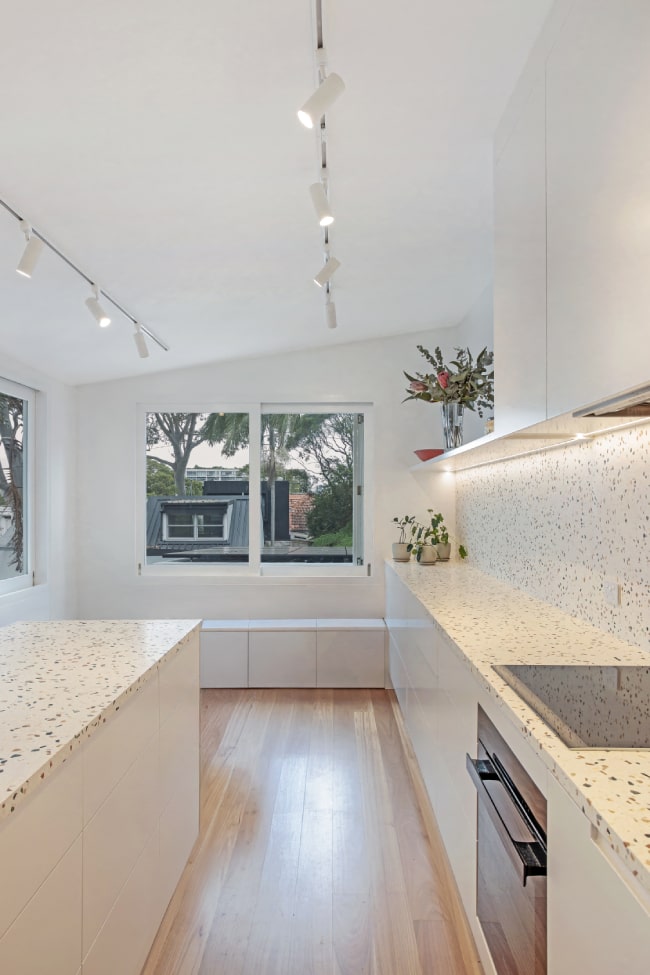
Modern white kitchen renovation by Pattern Constructions

At Pattern Construction Co., we understand that the kitchen is more than just a place for cooking; it’s the heart of your home. It’s where families gather, where meals are prepared with love, and where memories are made. A kitchen renovation is not just about updating your space; it’s about creating a welcoming and functional environment that reflects your style and meets your needs. Here’s our guide to embarking on this transformative journey.

Understanding Your Vision

Before we swing a single hammer, our first step is to understand your vision. What do you love about your current kitchen? What do you wish was different? Whether you’re dreaming of a modern, sleek design with state-of-the-art appliances or a cozy, traditional space with warm wood tones and classic fixtures, our team is here to bring your vision to life. We encourage our clients to gather inspiration from home design websites, magazines, and our extensive portfolio to help us understand their aesthetic and functional preferences.

Planning Your Space

Efficient use of space is crucial in a kitchen. Our expert designers will work with you to create a layout that maximizes functionality without sacrificing style. Whether it’s an island for additional counter space and storage, open shelves for easy access to dishes and cooking tools, or a layout that improves the flow of traffic, we ensure every inch of your kitchen is utilized to its fullest potential.

Choosing Materials and Finishes

Selecting the right materials and finishes can bring your kitchen to life. From durable and stylish countertops to cabinetry that complements your home’s decor, Pattern Construction Co. offers a wide range of options to suit every taste and budget. We’ll guide you through selecting materials that not only look great but are also long-lasting and easy to maintain.

Incorporating Technology

Today’s kitchens are more than just places to cook; they’re high-tech hubs equipped with smart appliances and gadgets that make life easier. From refrigerators that can help you keep track of your groceries to ovens you can control with your smartphone, we can incorporate the latest technology into your kitchen design, ensuring your space is not just beautiful but also smart.

Sustainable Practices

At Pattern Construction Co., we believe in sustainable construction practices. We offer eco-friendly options for your kitchen renovation, from energy-efficient appliances and LED lighting to sustainable materials for countertops and cabinetry. Our goal is to create a space that’s not only beautiful and functional but also kind to the environment.

The Renovation Process

Our team of skilled craftsmen and designers will handle every aspect of your kitchen renovation, from demolition to the final touches. We pride ourselves on our attention to detail, high-quality workmanship, and commitment to customer satisfaction. Throughout the process, we’ll keep you updated and involved, ensuring the final result exceeds your expectations.

Why Choose Pattern Construction Co.

With years of experience and a passion for creating beautiful, functional spaces, Pattern Construction Co. is the ideal partner for your kitchen renovation project. We understand the importance of your kitchen in your home and life, and we’re dedicated to making the renovation process as seamless and enjoyable as possible.

Ready to create the kitchen of your dreams? Contact Pattern Construction Co. today, and let’s turn your vision into reality. Together, we’ll make your kitchen the heart of your home, a space where you and your loved ones will create memories for years to come.

Fixed Price vs. Cost-Plus Contracts—Why Fixed Price is a Win for Clients

Exterior renovation with stone wall and porch area

“Exploring the Pros and Cons of Fixed Price and Cost-Plus Contracts to Help You Make Informed Decisions on Your Home Construction Project.”

When embarking on a home construction journey, one of the crucial decisions you’ll face is choosing between fixed price and cost-plus contracts. As a homeowner, making the right choice can significantly impact your project’s budget, timeline, and overall satisfaction. In this article, we delve into the world of contracts and explore why fixed price contracts often emerge as the preferred choice for clients.

Understanding the Basics: Fixed Price vs. Cost-Plus Contracts

Before we delve into the advantages of fixed price contracts, let’s clarify the key differences:

Fixed Price Contracts: In a fixed price contract, you and your builder agree on a set price for the entire project upfront. This price typically includes all labour, materials, and overhead costs. It provides clarity and predictability regarding the total cost of your project.

Cost-Plus Contracts: Cost-plus contracts, on the other hand, involve paying for the actual costs incurred during construction (materials, labour, subcontractor fees, etc.) plus an additional fee or percentage that covers the builder’s profit and overhead (cost plus = costs of the job plus the builder’s margin). While this offers transparency, it can lead to budget uncertainties.

The Benefits of Fixed Price Contracts for Clients

Budget Certainty: One of the most significant advantages of a fixed price contract is the assurance of a set budget. You know precisely how much your project will cost from the outset, which allows for better financial planning and peace of mind.

Risk Mitigation: Fixed price contracts often place more risk on the builder to complete the project within the agreed budget. This incentivises builders to be efficient and manage costs effectively to avoid overruns.

Transparent Agreements: Fixed price contracts require detailed specifications and plans to determine the project’s scope accurately. This transparency helps prevent misunderstandings and disputes during construction.

Simplified Decision-Making: With a fixed price contract, you don’t need to worry about every small change impacting the cost. Changes are typically handled through formal change orders, ensuring you have control over variations.

Predictable Timelines: Knowing the cost upfront also translates into more predictable project timelines. Builders are motivated to complete the work efficiently to stay within budget, which often leads to smoother, on-time project deliveries.

Easier Financing: Securing financing for your project is more straightforward with a fixed price contract because lenders appreciate the certainty it provides. It’s easier to get approved for a loan when the budget is well-defined.

Factors to Consider

While fixed price contracts offer numerous benefits, it’s essential to consider the specific circumstances of your project:

  • Project Complexity: For highly customized or complex projects, cost-plus contracts might be more appropriate, as they allow for flexibility in design and scope changes.
  • Builder’s Reputation: A reputable builder with a history of delivering on fixed price contracts is crucial for a successful project.
  • Detailed Plans: The accuracy of your project plans and specifications is vital for a fixed price contract to work effectively. Any omissions or changes can lead to additional costs.

Conclusion: The Clarity of Fixed Price Contracts

In the realm of home construction, clarity is key. Fixed price contracts provide clients with the assurance of a predictable budget, streamlined decision-making, and the confidence that their project will be completed on time and within the agreed-upon cost. While cost-plus contracts have their merits, especially for intricate or evolving projects, fixed price contracts often emerge as the preferred choice for clients seeking financial certainty and peace of mind on their construction journey.